Can You Get a Railing Installed in Ottawa Over the Winter?
Yes. In many cases, you can install or replace a railing in Ottawa during the winter.
The biggest factor is not simply the temperature. It is what the railing is being attached to, what installation products are being used, and whether the work can be completed safely under the conditions at the property.
Replacing a railing on an existing deck, porch, balcony or set of stairs is generally less weather-dependent than building the structure underneath it. If the existing structure is sound and the attachment system can be installed within the manufacturer’s requirements, cold weather does not automatically rule out the project.
New footings, excavation, fresh concrete and some exterior finishing work are different. Those projects are more dependent on ground conditions, temperature and the requirements of the products being used.
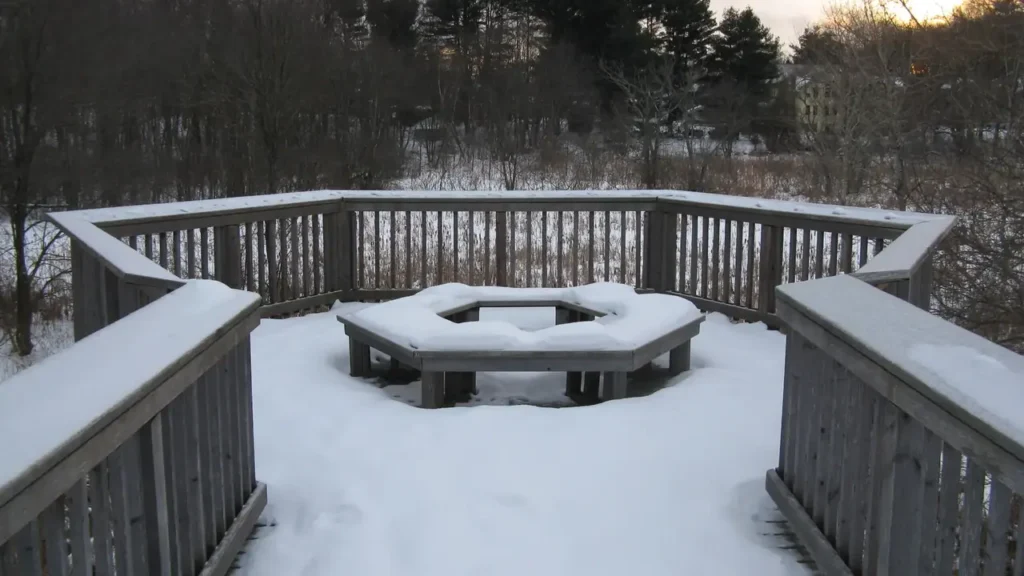
When Can a Railing Be Installed in Winter?
Winter railing work is generally most straightforward when the supporting structure is already in place.
| Project | Winter installation |
|---|---|
| Interior stair railing | Usually possible |
| Railing replacement on an existing deck | Often possible |
| Railing replacement on existing concrete steps | Often possible |
| Aluminum railing on an existing structure | Often suitable |
| Glass railing on an existing structure | Possible when weather and handling conditions permit |
| Wrought-iron railing replacement | Often possible |
| New railing requiring footings or fresh concrete | More weather-dependent |
| New deck or exterior structure | More weather-dependent |
The key question is:
Are you replacing the railing, or are you building the structure that supports it?
If the deck, stairs, porch or balcony already exists, the installer can inspect the structure and determine how the new railing can be attached.
If the project involves excavation, new foundations or substantial concrete work, winter becomes more complicated.
What Should Be Checked Before Installing a New Railing?
Before ordering a replacement railing, the installer should inspect the existing structure and the proposed attachment points.
On a deck, that means checking the framing around the locations where railing posts will be attached. On concrete steps or a balcony, the concrete needs to be in suitable condition for the selected anchors.
This matters particularly when replacing an older railing. Sometimes the railing itself has failed. In other cases, the underlying problem is rotten wood, damaged framing, deteriorated concrete or a poor attachment point.
Installing a new railing over a damaged supporting structure does not solve the underlying problem.
If repairs to the deck, stairs or concrete are required, that work may affect both the cost and the timing of the railing installation.
What Can Stop a Winter Installation?
Several factors can affect an outdoor installation.
The existing structure
The railing needs a suitable structure to attach to.
A contractor should check the condition of the deck framing, concrete, stairs or other supporting structure before installation. If the supporting material is deteriorated, the attachment may need to be repaired or redesigned before the railing can be installed.
The anchoring system
Installation requirements depend on the specific fasteners or anchors being used.
Some concrete anchoring products have minimum installation temperatures and curing requirements. Those requirements vary between products, so there is no useful universal rule such as “concrete anchors cannot be installed below X°C.”
The installer should check the manufacturer’s instructions for the actual product being used, including:
- Installation temperature
- Base-material temperature
- Surface condition
- Moisture requirements
- Cure time
- When the anchor can be loaded
If those requirements cannot be met, the installation may need to wait or use another approved attachment method.
Snow, ice and wind
Snow can usually be cleared from the immediate work area, but winter weather can still affect scheduling.
Ice, freezing rain, heavy snowfall and strong winds can make access difficult and create safety problems while workers are handling tools, materials or large railing sections.
This is particularly relevant when installing large glass panels or working on elevated decks and balconies.
If the site cannot be worked on safely, the installation should be rescheduled.
Can Aluminum Railings Be Installed in Ottawa Winter?
Often, yes.
Aluminum can be practical for winter installations because many systems arrive factory-finished. The installer does not need to apply exterior paint or stain to the railing before it can be used.
Aluminum railing installation in Ottawa can involve measuring, cutting, fitting and fastening the components to an existing deck, porch, balcony or stair structure.
The important part is still the attachment. The installer needs to confirm that the existing structure can support the railing and that the selected fasteners or anchors are appropriate for the installation conditions.
What About Glass Railings?
Glass railings can also be installed during winter when the structure, weather and handling conditions are suitable.
The main issue is not simply whether the temperature is below freezing. Large glass panels can be difficult to move and position safely in snow, ice or strong wind.
A contractor may therefore schedule a glass installation around the weather rather than treating the entire winter as unavailable.
Glass railing installation in Ottawa should begin with an inspection of the supporting structure and the proposed attachment system.
Can Wood Railings Be Installed in Winter?
Sometimes.
Installing the wood and applying an exterior finish are two separate questions.
Exterior stains and paints have their own requirements for temperature, moisture and application conditions. If those requirements are not met, applying the finish anyway can create adhesion or durability problems.
A winter wood project may therefore involve installing the railing when conditions permit and completing the exterior staining or painting when the product requirements can be met.
If avoiding on-site finishing is important, a factory-finished material such as aluminum can make the project simpler.
What About Wrought Iron and Cable Railings?
Wrought-iron railing sections can often be installed during winter if they have already been fabricated and finished.
Cable railing can also be installed when the supporting structure and weather conditions are suitable. The posts need to be properly attached, and the cable system should be tensioned according to the manufacturer’s installation requirements.
Being made of metal does not automatically make a railing suitable for every winter installation. The supporting structure and installation conditions still matter.
What Usually Should Wait Until Spring?
The more work that involves excavation, new foundations or fresh concrete, the more weather-dependent the project becomes.
That can include:
- New exterior footings
- New concrete steps
- New concrete pads or piers
- New exterior stairs requiring foundations
- New decks involving excavation
- Major structural alterations
These projects involve more than installing a railing. Ground conditions, foundation work, concrete placement and curing can all affect the construction schedule.
Ottawa’s current deck guidance illustrates the distinction. Certain elevated decks require a building permit, including attached or adjacent decks where the walking surface is more than 600 mm above adjacent grade. The City also identifies inspections for excavation and foundations, structural framing and guards.
That is a different type of project from replacing a railing on an existing, structurally sound deck.
If you are only changing the railing, the work may be possible during winter even though building an entirely new deck may be more weather-dependent.
What If the Concrete Is Cold?
Do not rely on a generic temperature rule.
If a railing is being anchored into concrete, the installer should check the requirements for the specific anchoring product. Installation temperature, concrete temperature, surface condition and curing time can all matter.
This is particularly important during Ottawa’s coldest periods, when conditions can change significantly from one day to the next.
The correct procedure is to follow the manufacturer’s published installation requirements rather than assuming that every concrete anchor behaves the same way in cold weather.
What If the Railing Is Already Loose?
That should not automatically wait until spring.
A loose railing on stairs or a deck can be a safety issue at any time of year. In winter, the risk can be greater because snow and ice can make stairs and walkways slippery.
Warning signs include:
- The handrail moves when you pull on it.
- A post rocks at its base.
- Fasteners are loose or missing.
- Concrete around an anchor is cracked or deteriorated.
- Wood around a post is soft or rotten.
- A railing section or baluster is damaged.
Ottawa’s property standards also require guards and handrails to be maintained in good repair, and address guards on exterior landings, porches, decks, balconies and other elevated surfaces.
If you notice a problem, have the railing and its supporting structure inspected rather than assuming that the repair can wait until warmer weather.
Stair and railing repair in Ottawa can be considered separately from a larger renovation.
Does the Ontario Building Code Change in Winter?
No. Winter does not create a separate set of railing safety requirements.
Ontario’s current Building Code is O. Reg. 163/24 under the Building Code Act. The regulation adopts the 2020 National Building Code with Ontario amendments, and the current consolidation includes amendments made through July 2026.
The applicable requirements depend on the building and the specific situation. Residential guards and handrails have requirements covering matters such as height, openings and handrail dimensions, but the same measurements should not automatically be applied to every type of building.
For example, the Ontario requirements include provisions for 900 mm guard height within applicable dwelling-unit situations, while the code also contains other guard-height requirements depending on the application. The code also contains provisions limiting openings in guards to prevent passage of a 100 mm sphere in applicable situations.
Handrails have their own requirements as well. For applicable stairs, aisles with steps and ramps, the code provisions include a height range of 865 mm to 1,070 mm.
The important point is that winter does not change the applicable code requirements. The project still needs to meet the requirements that apply to its building type and configuration.
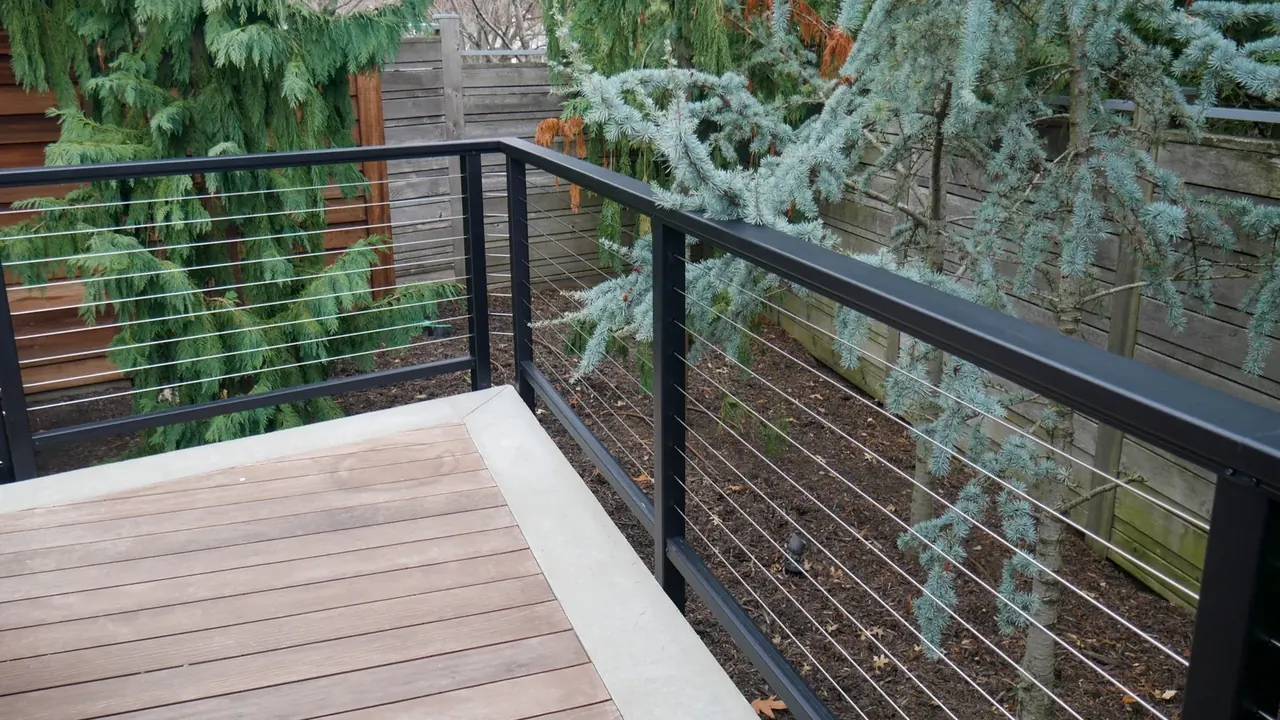
Do You Need a Permit to Replace a Railing?
It depends on the scope of the project.
Replacing an existing railing is not necessarily the same as building a new deck, changing the supporting structure or constructing new exterior stairs.
The City of Ottawa states that a permit is required for an attached or adjacent deck with a walking surface more than 600 mm above adjacent grade. Certain other elevated decks also require permits, including some freestanding decks over 600 mm above grade depending on their size.
For permitted residential deck projects, Ottawa’s submission requirements include information about the deck’s foundation, framing, stairs, guards and handrails. Manufactured guards that fall outside the code’s prescriptive requirements can require manufacturer information and attachment details.
A railing replacement that is part of a larger structural project should therefore be assessed as part of the overall project rather than treated as an isolated railing job.
If you are unsure whether your particular work requires a permit, confirm the requirements with the City of Ottawa before construction begins.
Questions to Ask Before Booking a Winter Installation
Before scheduling the work, ask the installer a few straightforward questions.
Is the existing structure sound?
The railing needs a suitable deck frame, concrete surface, stair structure or other supporting material.
How will the railing be attached?
The attachment could involve existing framing, concrete anchors or another system. Knowing the attachment method helps determine whether winter conditions will affect the installation.
Are there temperature requirements for the products being used?
This is particularly important for concrete anchors, adhesives, coatings and other products with specific installation requirements.
Does the project involve new concrete or excavation?
If it does, the job may be considerably more weather-dependent than a straightforward railing replacement.
Does the project require a permit?
If the railing is part of a new deck or structural alteration, confirm the permit requirements before work begins.
How to Prepare for a Winter Railing Installation
A homeowner can make an outdoor winter installation easier by preparing the site before the crew arrives.
- Clear snow from the stairs, deck or immediate work area.
- Remove furniture, planters and other obstacles.
- Keep pets and children away from the work area.
- Clear a safe route from the driveway or entrance.
- Tell the installer about known problems with the deck, stairs or concrete.
- If you live in a condo or managed building, confirm access and approval requirements ahead of time.
The contractor may still need to reschedule if weather conditions become unsafe. That is normal for exterior winter work.
So, Can You Install a Railing in Ottawa in Winter?
In many cases, yes.
The easiest winter projects are railing replacements on existing, structurally sound decks, stairs, porches and balconies.
Aluminum, glass, wrought iron and other prefinished railing systems can often be installed when the weather and attachment conditions are suitable. Interior railing work is generally not affected by outdoor temperatures.
Projects involving new footings, excavation, fresh concrete or exterior painting and staining are more weather-dependent.
The first step is to inspect the existing structure and determine how the new railing will be attached. That usually tells you much more about the feasibility of a winter installation than the calendar does.
For railing installation in Ottawa, an on-site assessment can determine whether the existing structure is suitable, what attachment method is required and whether any portion of the project should be scheduled for spring.
Frequently Asked Questions
Can a railing be installed at -20°C?
There is no single temperature that applies to every railing project. Interior work is generally unaffected by outdoor temperatures. Exterior installations depend on the materials, attachment system, substrate, weather and product requirements.
Does snow automatically stop a railing installation?
No. Snow can often be cleared from the work area. Heavy snow, ice, freezing rain, high winds or unsafe access may require the work to be postponed.
Can I replace a railing without replacing my deck?
Often, yes. The existing deck framing should be inspected first to make sure it can support the new railing and its attachment points.
Can you install a railing into existing concrete in winter?
Potentially. It depends on the condition and temperature of the concrete, the anchoring system and the manufacturer’s installation requirements.
Is aluminum a good choice for a winter railing project?
Aluminum can be practical because many systems arrive factory-finished, eliminating the need for on-site exterior painting or staining. The supporting structure and attachment method still need to be suitable.
Can wood railings be stained in winter?
Only if the particular stain’s temperature, moisture and application requirements can be met. Otherwise, the finishing work may need to wait for better conditions.
Does a railing replacement require a permit in Ottawa?
It depends on the scope of the project. A simple replacement may be treated differently from work that is part of a new deck, structural alteration or new exterior stairs. Check the City of Ottawa’s current requirements for the specific project.
Should I wait until spring to repair a loose railing?
Not necessarily. A loose railing can present a safety problem, especially on icy stairs. It should be assessed rather than automatically postponed.